
Cavity Free

Protect Your Smile Prevent Cavities Before They Start
At Nanda Dental & Medical Speciality Centre, we believe prevention is always better than cure. Cavities are one of the most common dental problems — but the good news is, they’re also the most preventable! With the right care, routine check-ups, and professional guidance, you can enjoy a healthy, cavity-free smile for life.
Cavity Prevention Solutions
Preventive Dentistry at Nanda Dental Clinic
Preventive dentistry is the foundation of lifelong oral health. Simple daily habits like brushing and flossing twice a day, along with routine dental check-ups every six months, can significantly reduce the risk of dental problems. Children, especially, gain long-term benefits as preventive care ensures their newly erupting permanent teeth stay strong and healthy.
Our preventive dentistry approach focuses on stopping dental issues before they begin, controlling their progression, minimizing complications, and restoring overall oral function when needed.
Prevention of Dental Decay
1. Pit & Fissure Sealants
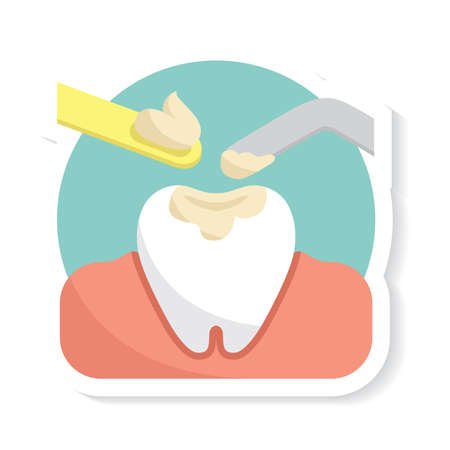
Sealants offer a safe, painless, and highly effective way to prevent cavities. They are applied to the deep grooves of premolars and molars—areas most prone to decay. By forming a protective coating over these surfaces, sealants block food particles and bacteria, keeping teeth cavity-free.
2. Fluoride Application
Fluoride strengthens tooth enamel and increases resistance to decay in both children and adults. A fluoride gel is placed in custom trays and applied to the teeth, forming a protective layer that reduces the chances of future cavities.
3. Enameloplasty
This minimally invasive procedure smoothens and widens deep pits and fissures of the tooth surface, preventing food lodgement. By reshaping these areas, enameloplasty reduces the risk of decay and supports better self-cleaning during chewing.
Prevention of Gum Diseases
1. Oral Prophylaxis (Professional Teeth Cleaning)
Regular professional cleaning removes plaque and tartar buildup that brushing alone cannot eliminate. It helps maintain gum health, prevents infections, and should ideally be performed every six months.
Prevention of Teeth Crowding
1. Serial Extraction
This planned removal of selected primary and sometimes permanent teeth helps guide erupting teeth into proper positions. It prevents future crowding and is usually recommended between the ages of 8 and 9.
2. Space Maintainers
When a child loses a milk tooth too early due to decay or trauma, the adjacent teeth may drift into the empty space. Custom-made space maintainers are placed to preserve this gap until the permanent tooth erupts, preventing alignment issues later.
Advantages of Preventive Dentistry
Maintains long-term health of teeth and gums
Reduces the risk of cavities
Prevents gum infections
Minimizes the chances of teeth misalignment
Supports better overall health, as oral health reflects general well-being
Who Should Opt for Preventive Dentistry?
Preventive dentistry benefits everyone — from toddlers to senior citizens.
Children: Protect against decay and help permanent teeth develop strong and healthy.
Adults: Maintain strong teeth, healthy gums, fresh breath, and long-term oral wellness.
Older adults: Preserve remaining teeth and prevent complications.
Good oral health contributes to better general health—keeping your mouth protected means a healthier life overall.
Best Practices for Healthy Teeth
Brush twice daily, especially before bedtime, to prevent bacteria buildup.
Floss every day to clean areas your brush cannot reach.
Rinse after meals to remove food particles and prevent decay.
Follow a balanced diet rich in vitamins and minerals. Avoid excess sugar and aerated drinks.
Visit your dentist every 6 months for routine checkups and early detection of dental issues.
Why Invest in Preventive Dental Care?
Preventive treatments help identify and manage problems early—saving you from more complicated procedures and higher expenses later. Costs vary based on the individual’s oral condition and recommended treatments. For personalized guidance, visit Nanda Dental Clinic.
Frequently Asked Questions
Q1. How Often Should I Get Dental Check-Ups?
People with good oral health should visit once a year, while those with a history of dental issues should come every six months.
Q2. How Often Should My Child See a Dentist?
Every six months for routine evaluations and early detection of any developing issues.
Q3. Is Fluoride Safe?
Yes. The fluoride levels in toothpaste and treated water are completely safe. Fluoride strengthens enamel and helps prevent cavities.
Q4. How Can I Prevent Gum Disease?
Maintain good oral hygiene—brush, floss, and eat healthy. If you experience gum irritation or bleeding, professional cleaning can help remove plaque effectively.
Q5. Do Fissure Sealants Hurt?
Not at all. Sealant application is quick, simple, and painless, with no need for anaesthesia.
